
The Tableware Test: How Plates and Bowls Change the Way We Experience Food

Before the first bite, the table has already begun speaking. A plate sets a boundary. A bowl suggests a way of eating. A spoon changes the distance between the guest and the food. None of these objects is the meal, but each helps shape the moment in which the meal is noticed.
A restaurant dining experience in Singapore is about more than food arriving. The setting and the objects around it can influence what guests expect before they taste anything.
The Plate Is Part of the First Impression
We often think of a plate as a blank surface. It is not. Its size affects how much food appears to be there. Its shape changes the outline of the dish. Its colour can make certain tones look brighter or softer.
A 2024 study in Foods found that plate size, shape and colour affected how participants judged a dessert’s appearance, portion and expected price. The researchers advised caution about the practical size of these effects. Tableware can influence perception, but it does not replace flavour.
The Bowl Changes the Invitation
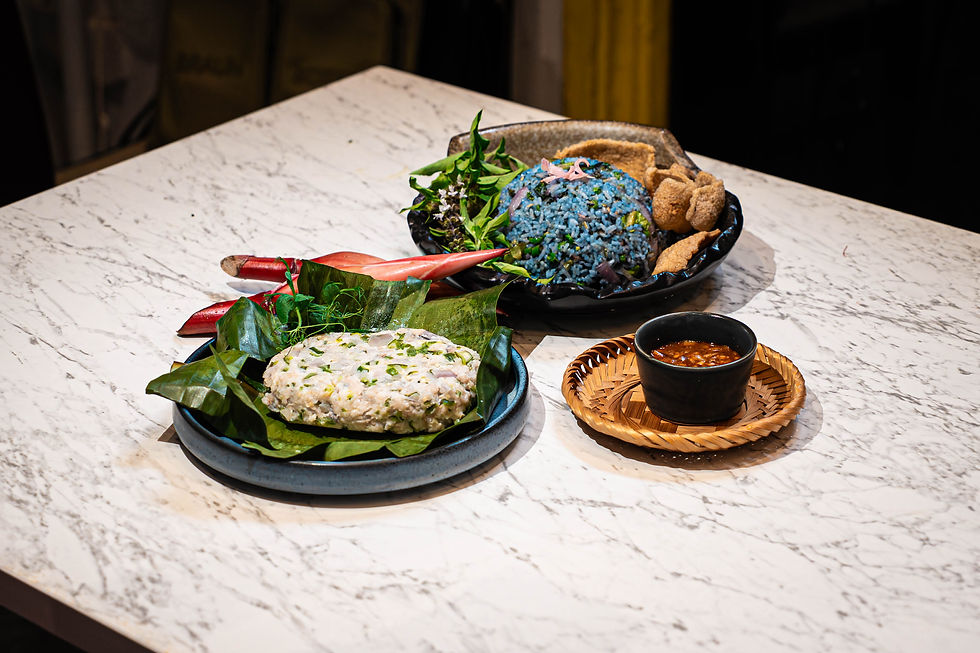
A bowl carries a different suggestion from a flat plate. It gathers food closer. It can make a dish appear deeper or more generous. It also changes how a spoon enters the meal.
A major review in Flavour on tableware and multisensory perception explains that plates, bowls, cutlery, glasses and the wider environment can influence how people perceive food and drink. The review connects these effects to visual contrast, expectations and the qualities guests associate with an object.
The experience begins before taste alone.
The Table Gives Food Its Setting
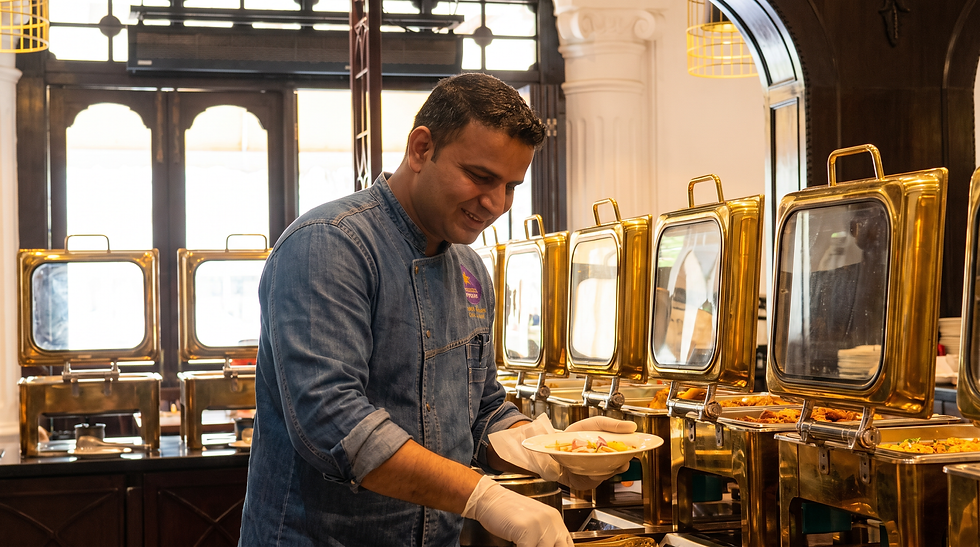
At Permata, the setting is part of the story. The restaurant is inside Gedung Kuning, the Yellow Mansion at Sultan Gate, where Nusantara dining sits within a building with its own architectural and cultural identity. The official Permata page describes the relationship between the mansion, Kampong Glam and the food served there.
The table does not need to compete with that setting. It brings attention back to the meal: its colour, arrangement, texture and movement as people reach, serve and taste.
What Guests Actually Notice
Most diners will not analyse the rim of a plate or the weight of a spoon. That is not the point. Good design often works quietly. It creates order, gives each dish space to be seen and keeps the table connected.
Research cannot tell us exactly what every guest will feel. People bring different memories and expectations to the same table. Yet it can explain why the physical setting matters. According to the study on plate shape, size and colour, visual details can change how food is judged before it is tasted.
That is the tableware test: not whether the plate is beautiful alone, but whether it helps the guest notice what is in front of them.
At Permata, explore the room, the table and the food as one experience. Discover the Nusantara dining setting, check the latest menu and reserve your table.

Comments