
Heritage as Living Practice: What Makes Permata Different


Singapore does heritage well. Perhaps too well, sometimes.
Across the island, old buildings have been lovingly restored, rebranded, and reopened as dining destinations. The formula is familiar: take a space with history, polish it until it gleams, and invite people to pay for the experience of being near something that once meant something. It works. Beautifully, often. But there is a question worth asking about what gets lost in that process — and whether there is another way.
Permata, sitting inside Gedung Kuning in the heart of Kampong Glam, represents a different answer to that question.
When Heritage Becomes a Product
There is nothing wrong with heritage tourism. Turning a historically significant space into a destination that welcomes visitors, tells stories, and creates memorable experiences is a legitimate and often beautiful thing to do. Singapore has done it with great skill.
But there is a subtle shift that happens when heritage moves from being something a community practices to something visitors consume. The rituals, the food, the architecture — they become exhibits. Carefully curated, thoughtfully presented, and quietly separated from the living community that gave them meaning in the first place.
When that happens, the space asks a particular question of its guests: "How do we package this heritage attractively?" Everything that follows flows from that question — the pricing, the ambience, the menu, the experience. It is designed to be consumed, not lived.
Permata Asks a Different Question
Gedung Kuning is, by any measure, a prestigious space. A 19th-century Yellow Mansion in Singapore's oldest urban quarter, steps from Sultan Mosque, steeped in generations of Malay and Nusantara history. It would have been easy — and entirely logical — to position it as a premium heritage dining experience. To make the building the product.
Permata chose differently.
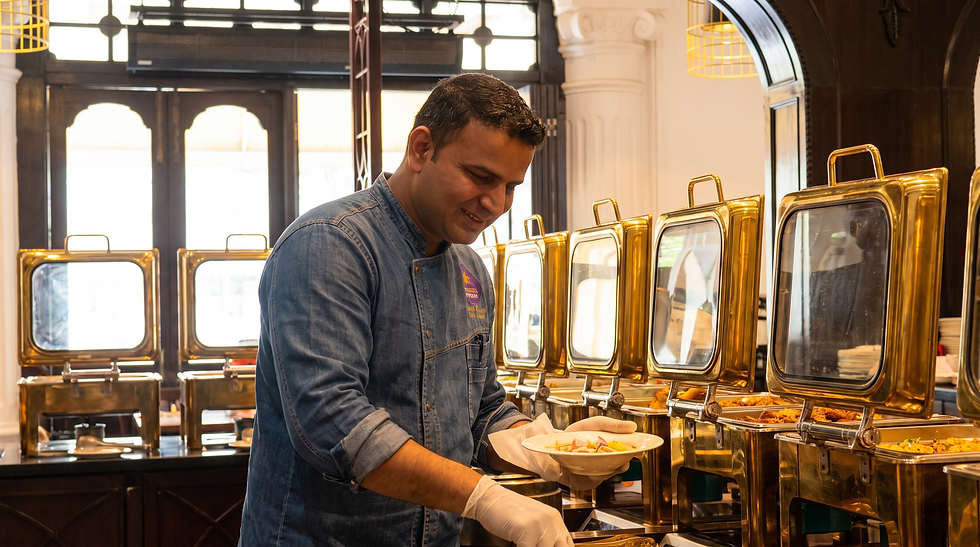
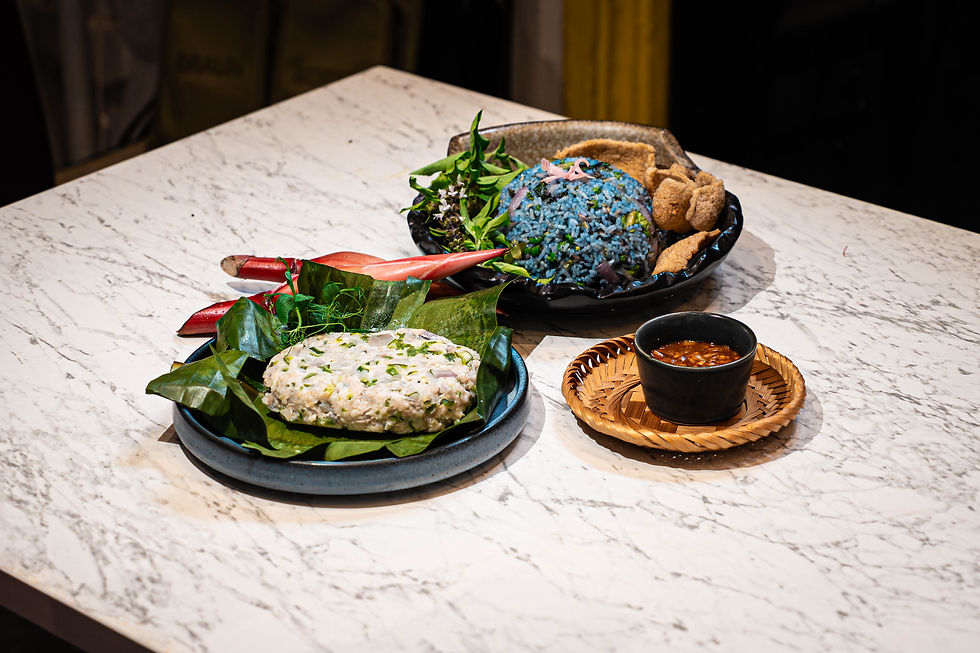
Instead of asking how to package its heritage attractively, Permata asked: "How do we serve our community while honouring where we come from?" That single question leads somewhere entirely different. It leads to a 1-for-1 halal buffet that keeps the table accessible to the families and community members who have always called Kampong Glam home. It leads to a menu rooted in Nusantara tradition, not designed for external validation. It leads to a restaurant where heritage is not performed for guests — it is practiced by them.
The Difference Between Performance and Practice
This distinction — between heritage as performance and heritage as practice — is subtle but it changes everything about how a space feels.
When heritage is performed, there is always a slight distance between the experience and the thing it represents. You are watching a recreation of something, however skillfully done. The food, the setting, the stories are all reaching back toward a past that exists somewhere just out of reach.
When heritage is practiced, there is no distance. The grandmother's recipe is on the table because it has always been on the table. The building carries meaning because the community that built that meaning still gathers within its walls. The food is not a tribute to tradition — it is the tradition, continuing.
Walk into Permata after Friday prayers at Sultan Mosque, surrounded by three generations of a family settling in for a long lunch, and you feel that immediately. This is not a restaurant recreating something lost. This is a community continuing something very much alive.
Accessible by Design, Authentic by Nature
What makes Permata's approach genuinely remarkable is that it achieves cultural authenticity not by closing itself off, but by keeping its doors — and its prices — open.
The 1-for-1 buffet is not just a promotional mechanic. It is a statement about who this restaurant exists to serve. It says that the community this food comes from should be able to afford to eat it. That the families who have lived in Kampong Glam for generations should feel as welcome here as any first-time visitor. That heritage, to mean anything, has to remain within reach of the people who carry it.
Visitors are welcome too — warmly so. But they arrive as guests of a living community, not as consumers of a curated experience. That difference in orientation changes everything about how the meal feels.
Why This Matters
Singapore is a city that moves fast and builds faster. Heritage spaces get repurposed, neighbourhoods shift, and the communities that gave places their character often find themselves priced or pushed out of the very spaces that tell their story.
Permata is a quiet but clear argument against that trajectory. It demonstrates that a heritage space can be commercially successful, beautifully presented, and critically acclaimed — while still belonging, first and foremost, to the community it came from.
Heritage does not have to become a product to survive. Sometimes, the most radical thing a restaurant can do is simply keep serving the people who were always there.

It’s refreshing to see heritage presented as something people actively practice and pass on, rather than simply preserve in museums. Cultural traditions stay meaningful when communities continue to share their stories, values, and everyday experiences with younger generations. This approach helps keep identity and history alive as society evolves. For a bit of entertainment during your downtime, you can also play gta 5 directly in your browser without downloading or installing the game.
Cuando se comparan varias jornadas, tener información ordenada resulta bastante práctico. La lotería nacional permite centrar la consulta en datos concretos y revisar posteriormente los resultados correspondientes a diferentes fechas.
Your perspective on this topic is both unique and enlightening. This piece provides a fresh and compelling take on the subject. sprunki shifted
Restoring historical buildings and opening them to the public can help protect cultural Trees Hate You treasures and introduce them to new generations.